
2026 Application of Automation and Intelligent Systems to Bioassays Conference
Virtual | December 2-3, 2026
DOUBLE DECEMBER!
BUY ONE GET ONE 50% OFF!
Register for BOTH Automation/AI and Quality Aspects Virtual Conferences and get a 50% off discount on one of the registration fees.

Conference Info
This two‑day virtual event explores how automation, robotics, and AI/ML are reshaping CMC potency assays across the biopharmaceutical lifecycle. As regulators intensify scrutiny on data integrity and assay reproducibility, this conference highlights how automated platforms from simple liquid handlers to fully robotic systems strengthen cost-effective CMC strategy, analytical rigor, and inspection‑ready execution.
Attendees will gain practical insights into automated assay design, qualification, validation, lifecycle management, digital data capture, AI‑enabled analytics, and global regulatory expectations. Special emphasis is placed on how automation reduces variability, enhances data integrity, and supports defensible decision‑making across diverse biopharmaceutical modalities.
Designed for CMC, QA/QC, Analytical Development, Bioassay, Automation Engineering, Regulatory Affairs, and Technical Operations professionals, this event equips teams to build automated potency programs that are fit‑for‑purpose, compliant, scalable, and resilient across the product lifecycle.
Quick Links
December 2-3, 2026
Virtual Conference
Deadlines
Abstract Submission: June 26, 2026
Next Price Increase: Nov. 18, 2026
Registration Closes: December 1, 2026
Agenda
The draft 2026 Virtual Automation Conference agenda is here! Check the agenda for updates as we finalize our schedule.
2026 Abstracts
Use of Transformer/Large Language Models in Pharmaceutical Industry with Emphasis on Bioassays
Franz Innerbichler, Founder, InnerAnalytics
Abstract: Transformer models (often called Large-Language-models) comprise the development of the last 40 years in machine learning from Multi-Layer Perceptron, back-propagation to the famous publication of Google about the “transformer” architecture. Most prominent representative of a transformer model is ChatGPT, a model to predict words. In pharmaceutical industry transformer models also changed the way of development but using other information carriers than syllables: SMILES in chemistry, amino acid codes and nucleic acid codes, which are transferred into 3-D structures and interaction predictions. Most prominently AlphaFold and RosettaFold allow nowadays to enlighten the spherical orientation of long amino acid chains, both not developed by pharmaceutical companies.
The presentation will explain the differences between transformer architecture and other machine learning algorithms. In addition it will give an overview (non-complete) of which companies have developed and published transformer models and their purpose. An outlook is given, how the transformers can help bioassay teams in developing robust bioassays.
Contributing Authors:
Franz Innerbichler
InnerAnalytics GmbH, Kufstein, Austria
Building Future-Ready Bioassay Capabilities: Automating Bioassays for Scalable Product Development
Speaker To Be Announced
Abstract: Coming Soon
Four Years, Multiple Assays, One Goal: Lessons Learned from Semi Automation of Potency Testing in GMP
Frances Reichert, Technical Specialist Biologics, Eurofins BPT
Abstract: Potency assays are a critical component of biologics release testing. However, they often rely on manual workflows, resulting in operator dependency, variability and limited sample throughput. Semi-automation can improve the robustness and efficiency of assays, but its implementation in a GMP environment raises important questions regarding comparability, method qualification and validation, and regulatory acceptance.
In this presentation, we share insights from over four years of implementing semi-automated potency assays in a GMP setting. Rather than focusing on a single assay modality, we present our experiences with multiple assay types to identify common success factors and recurring challenges. A key lesson is that automation must be intentional: selecting the appropriate level of automation is crucial to avoid unnecessary complexity whilst preserving assay performance and biological relevance.
Through selected case studies, we will highlight the transition from manual to semi automated workflows, covering implementation, qualification, validation, and routine use. These examples demonstrate how semi-automation can reduce manual variability while introducing new considerations, such as the effects on incubation timing, execution consistency, and assay control strategies. We also discuss practical approaches to establishing system and sample suitability tests, defining qualification and validation strategies, and maintaining long-term assay performance throughout the assay lifecycle.
Overall, this presentation provides practical guidance on implementing semi automation in potency testing, enabling improved assay robustness and throughput, while maintaining compliance with GMP and regulatory expectations.
Contributing Authors:
Frances Reichert
Eurofins BioPharma Product Testing Munich GmbH, Planegg, Germany
Automation of a Cell-Based Potency assay for Adalimumab using both the Hamilton STAR liquid handling robot and Integra ViaFlo
Speaker To Be Announced
Abstract: Coming Soon
Work Smarter, Submit Faster: AI-Powered Document Intelligence Reimagined
Anastasija Serdega, Senior Research Associate, Autolus Therapeutics plc
Abstract: AI document intelligence tools are being marketed to regulatory teams with promises of faster, cleaner submissions. Much less attention goes to how those claims should be tested before an organisation relies on the output.
This session approaches the question from outside regulatory affairs. As an analytical development scientist who has authored the analytical methods section of a BLA, the speaker applies the same discipline used to validate a GMP method: define what “accurate” means, test it against known answers, and understand where the system is likely to fail.
The talk starts with documented cases, including FDA warning letters, technical validation criteria and cross-sectional refuse-to-file studies. These show where submission quality actually breaks down and which of those failures AI could plausibly address. It then gives attendees a simple way to think about these tools: as predictive models rather than readers. It also separates terms such as precision and accuracy, which mean different things in analytical science and machine learning.
A central focus is why scientific and analytical tables remain difficult for current AI systems, and why that matters for Module 3 content. Evidence is organised by type rather than by vendor. Attendees leave with a six-question checklist for evaluating accuracy claims, demonstrated through a live worked example they can apply to any tool under consideration.
Process Understanding Before Platform Selection: Building Reliable Automated Assay Workflows
Mona Shehata, Associate Principal Scientist, AstraZeneca
Abstract: Laboratory automation is often viewed as technologically challenging, yet our experience suggests that successful adoption depends far more on understanding the processes than on selecting platforms. We describe our progression from manual workflows through semi-automation and ultimately to advanced liquid-handling systems, using cell-based assays as case study.
A key lesson for successful automation implantations was that critical aspects of assay execution exist as undocumented analyst knowledge. Before automation can succeed, these factors must be identified and translated into explicit process instructions.
Semi-automation proved to be a valuable intermediate stage. Standard electronic pipettes mounted on robotic arms enabled controlled evaluation of workflow parameters while maintaining close analyst oversight. These systems supported rapid optimization, side-by-side comparison with manual execution, and identification of critical process variables before transfer to larger/complex liquid-handling platforms. Across multiple workflows, mixing behaviour emerged as one of the most influential factors affecting assay performance and reproducibility.
As workflows and understanding matured, automation efforts transitioned to complex automated systems developing reusable workflow components for common operations such as serial dilution, reagent addition, and cell dispensing. Comparisons between manual, semi-automated, and automated execution demonstrated that comparable outcomes could be achieved, but only after careful optimization of workflow details and platform-specific implementation strategies. This improved consistency, reduced duplicated effort, and supported adoption across projects.
Overall, rather than considering automation as a single complex step change, capability was built incrementally, using each stage of automation to improve understanding, reproducibility, and readiness for future scale.
Contributing Authors:
Mona Shehata, Theo Jackson
AstraZeneca, Cambridge, United Kingdom
Effective use of Automation and AI in Bioassay Data Analysis
Matthew Stephenson, Director of Statistics, Quanitics Biostatistics
Abstract: From routine statistical analyses and quality control procedures to transferring data between software systems, automation has already made many aspects of bioassay data analysis more efficient. With the ever-increasing advances in AI, there are even more exciting possibilities to explore.
Successful automation is not always as straightforward as it may appear. Data that appear understandable to a human are not necessarily straightforward for a computer to interpret, and subtle variation in the data can greatly impact an automated analysis process. Unless programs have been designed to handle variation in the data, automated analyses can often fail, sometimes without any obvious indication that anything has gone wrong.
This presentation will share practical experience gained developing and implementing automated analysis workflows and explore how automation and AI can be used effectively. The value of semi-automated approaches where human expertise is involved at key quality control checkpoints will also be discussed. Ultimately, this presentation will explore why understanding the differences between how humans and computers interact with data is key to making automation work effectively. Recognising these limitations, and knowing where human judgement is needed, can help make the most of AI and automation in bioassay analysis.
Contributing Authors:
Matthew Stephenson
Quantics Consulting Limited, Edinburgh, United Kingdom
Addition of an automated method into a validated manual ELISA
Speaker To Be Announced
Abstract: Coming Soon
From Glass to Data: AI-Driven Digital Pathology in Drug Development
Buer Song, Co-Founder & CEO, iCura Diagnostics
Abstract: Histopathology underpins nearly every stage of drug development, from target validation and toxicologic pathology to patient stratification, efficacy assessment and companion diagnostic (CDx) submissions. Yet tissue interpretation remains largely manual and subjective, which limits the quantitative, reproducible data that modern drug programs require.
This talk examines how digital pathology and artificial intelligence are turning tissue into a quantitative, data-rich readout. Through case studies, we show how AI-powered image analysis of multiplex immunofluorescence and whole-slide images enables single-cell, spatially resolved immunoprofiling of the tumor microenvironment, multiplex CDx assay development, tissue-level receptor occupancy and drug distribution studies, and automated FISH scoring that agrees closely with manual counts. These approaches apply across oncology, immunotherapy and ADC programs.
We review the AI landscape, from CNNs and segmentation networks to multiple-instance learning and self-supervised foundation models, along with the FDA-cleared tools already in use. We then address the key barriers: standardized high-quality training data, annotation cost, interoperability, explainability and defining ground truth. Finally, we highlight emerging opportunities, including domain-specific models, IHC-guided annotation, prediction of molecular alterations from H&E, AI “co-pilots” for pathologists and integration with multi-omics. Together, these position AI pathology as a core engine for biomarker discovery and faster, more precise drug development.
Contributing Authors:
Buer Song
iCura Diagnostics, Malvern, PA, USA
Practical AI Implementation in GMP Bioassays: From Pilot to Governance
Mohamad Toutounji, Consultant, Molgenium
Abstract: PIC/S Annex 22 currently restricts GMP-critical AI applications to static, deterministic models — a constraint often read as conservatism but better understood as an auditability requirement. This talk translates that requirement into a practical implementation pathway for bioassay laboratories moving from pilot-stage AI/ML tools toward validated, inspection-ready deployment.
The presentation covers three stages of maturity: (1) low-risk advisory use cases — assay trend monitoring, outlier flagging, and drift detection — that deliver value without triggering full model validation burden; (2) the credibility evidence package required to justify a model’s Context of Use (COU) against its regulatory risk tier, aligned with the emerging FDA–EMA Guiding Principles of Good AI Practice; and (3) the governance infrastructure — change control, re-qualification triggers, and continuous drift monitoring — needed to keep a deployed model in a validated state over its lifecycle, not just at initial qualification.
Grounded in real bioassay validation work (including RIG-I-based dsRNA quantification method development), the talk argues that the binding constraint on AI adoption in GMP bioassays is not model performance but governance readiness — and that laboratories under-invest in the latter relative to the former. Attendees will leave with a practical maturity framework they can apply to their own automation and AI/ML programs, distinguishing what can move fast (advisory, non-release-impacting tools) from what requires the full weight of validation (anything touching lot release or specification decisions).
Contributing Authors:
Mohamad Toutounji
Molgenium, Dusseldorf, Germany
Industry
-
Education Sessions
-
Podium Presentations
Double Header!
-
Quality Aspects Ticket
-
Education Sessions
-
Podium Presentations
Academic
-
Education Sessions
-
Podium Presentations
Gvmt/Health Authority
-
Education Sessions
-
Podium Presentations
-
Networking Reception
Registration Early Bird Prices:Prices increase end-of-day November 18, 2026.
Group Discounts (only applicable to Industry tickets):
2026 Planning Committee
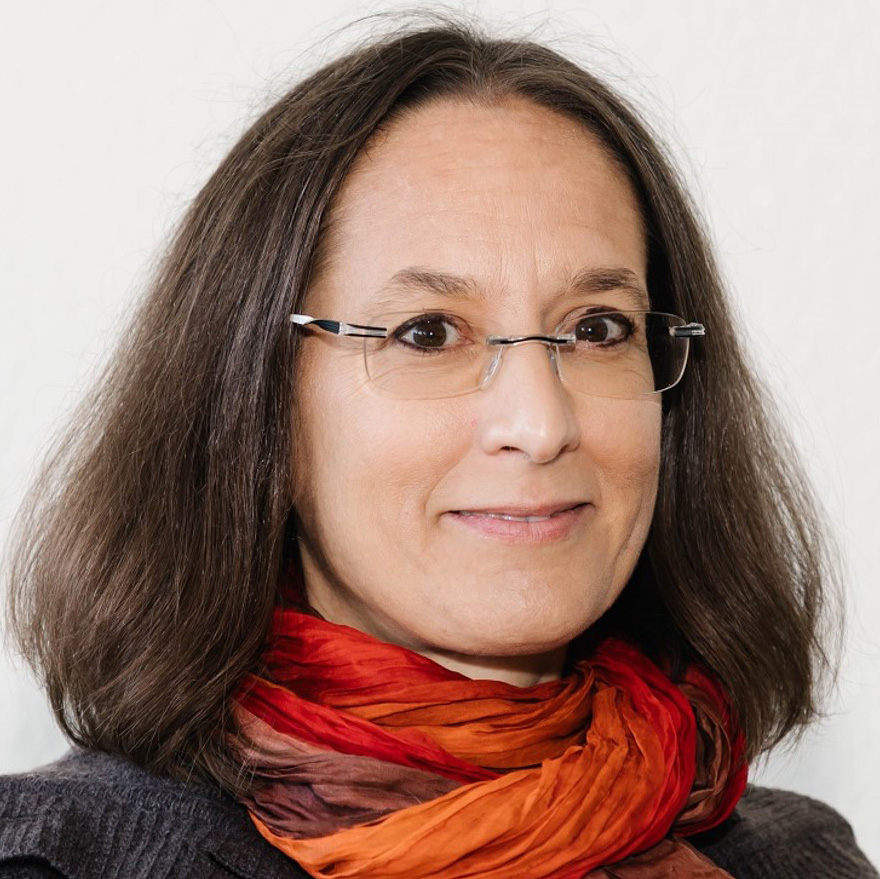
Ulrike Herbrand
Charles River Labs

Siân Estdale
ACM Global

Laureen Little
BEBPA

Jane Robinson
BEBPA

Perceval Sondag
Sanofi

Anton Stetsenko
BioQual Consulting
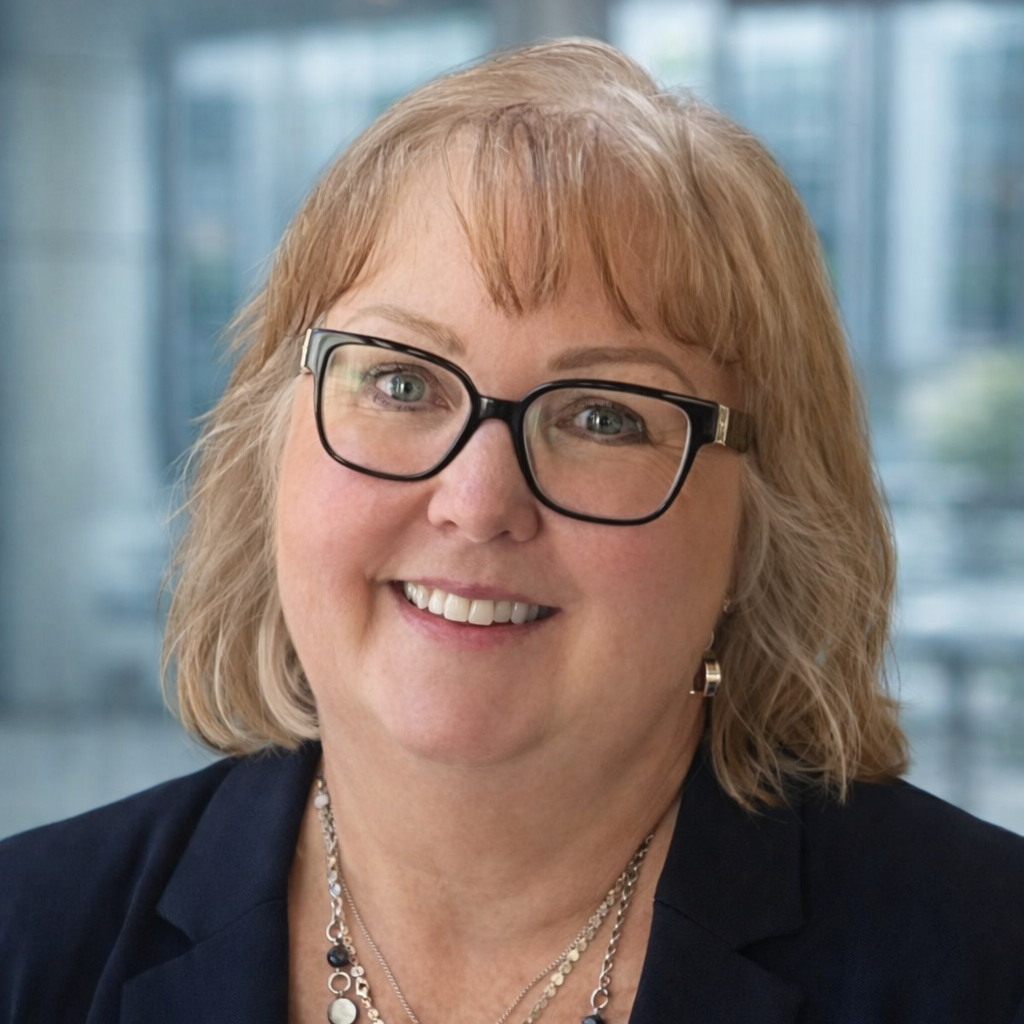
Leslie Wagner
US FDA