
BEBPA Blog
Tech Briefing: New-“ish” to Potency Bioassays
By Laureen Little, President, Quality Aspects & BEBPA
Many of the industry and regulatory guidelines, highlight the importance of robust development practices for analytical methods. One such guidance is the ICHQ14 Analytical Procedure Development. For first in class, novel biotech products, also known as Advanced Therapeutic Medicine Product (ATMP), this can mean developing radically new and unique assay systems/platforms, utilizing rare and not commercially available biological reagents. Firms working on novel ATMPs are usually staffed with subject matter experts who are well-educated and skilled in the biology of their product. This results in wonderful assays with the critical link to the Mechanism of Action (MoA) of the product. However, they are typically not honed to become Quality Control assays designed to provide reportable values to support product release by assessing whether a particular batch meets potency specifications.
All of us in our career have been in this situation, after 5 to 15 years of scientific education we suddenly find ourselves not understanding basic potency assay principles, such as:
- Relative potency assay which compares entire dose-response curves rather than reading a single point off a reference curve.
- The critical role of dose-response curve similarity, what it is and how is it determined.
- System suitability, assay acceptance and the difference between invalidating an entire run vs. a single test sample result.
- Use of Design of Experiments to improve assay precision
- The two approaches for bioassay method validation, that delineated in ICHQ2 and the approach outlined in USP 1034.
At BEBPA we are dedicated to providing a conference which is both educational and the place to hear the newest approaches and innovations. This year we have brought back our popular Bioassay Basics Course. This two-part workshop is available to in-person attendees.
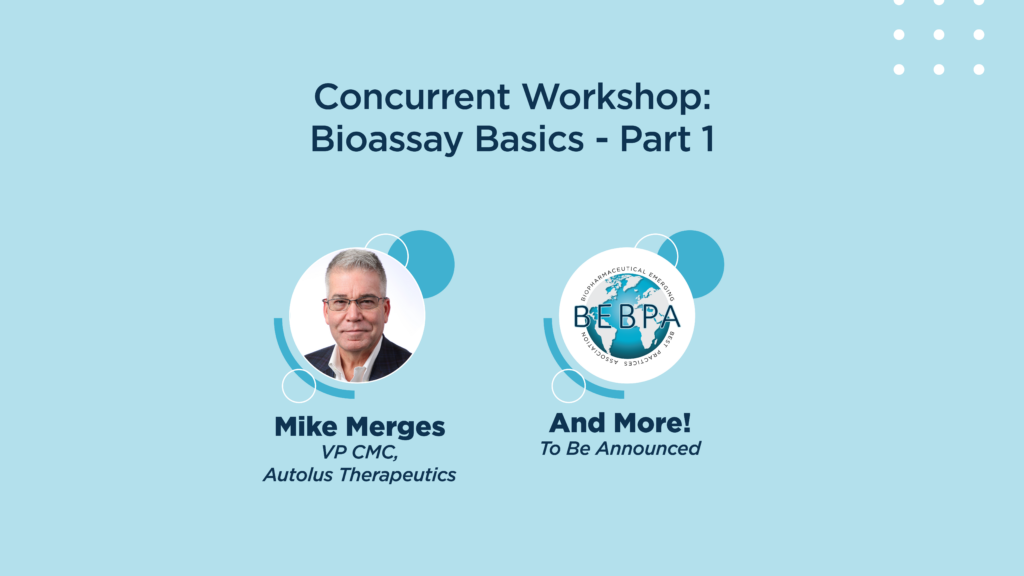
Part 1 is a three-hour workshop run in a classroom style. Dr. Mike Merges, an experienced bioassay scientist has broken down what makes potency assays different from other analytical methods. He, and others, will cover in detail the basics such that you will not be lost in any of the advanced case studies.
The next day, Bioassay Basics Part 2 will open with a quick review of the concepts and allow discussion about any remaining questions from Part 1. Then three guest speakers will provide case studies showcasing and extending the concepts discussed in Part 1. These talks include:
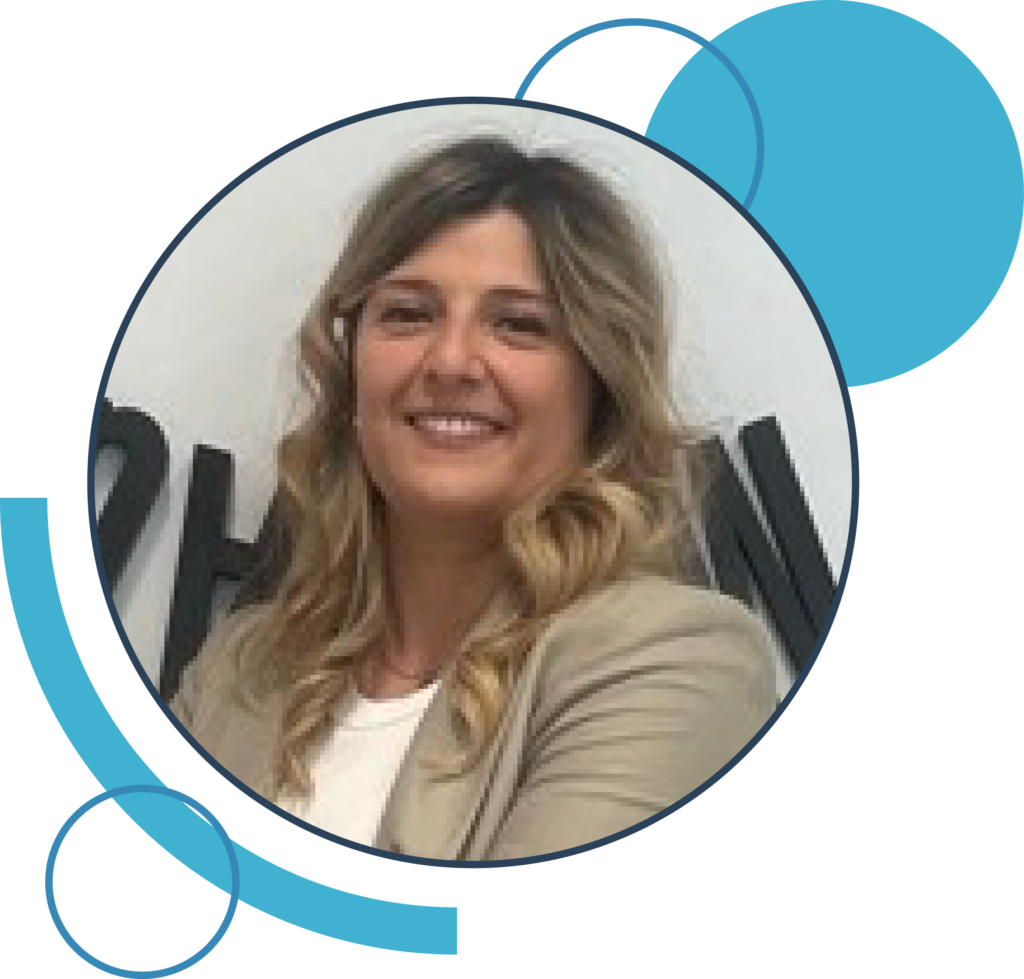
Dose-Response Drama: How Troubleshooting Built a Reliable Potency Assay
Giulia Mancini
Eurofins
Transferring Potency Assays Across Sites
Speaker To
Be Announced

Is LDH enough? Evaluating BiTE-Mediated Target Cell Killing
Beth Peacock
Labcorp
This 2-part workshop provides both insights into the foundation of potency assays and practical case studies of how these can positively impact your product development projects.
In addition to the Bioassay Basics workshop, main conference podium talks include:
- Automation Case Studies
- Upgrading and Replacing a Potency Assay for a Commercial Product
- Case Studies for many Product Types including; bispecifc antibodies, ADCs, Vaccines, Gene Therapy, RNA Products, Protein Therapeutics including BioSimilars
- Bioassay Development practices
Sign up for the conference today using the link below. We are well on the road to selling out, ensure that you will have a spot for this must attend event!